For example, specific formulations have been investigated for nasal drug delivery, such as soft nano-vesicular systems, microsphere/inert carrier dry powder platform for brain-targeted delivery, and binary composite solid microparticles as nasal permeation enhancers ( per se are able to internalize live cells and are peptide enhancers that mediate the transepithelial transport of large molecules without affecting cellular integrity

In principle, synergy is plausible in a few situations: Complementary pathways (e.g., appetite control + strength training adherence) Non-overlapping side-effect profiles Clear outcome tracking (so you can actually attribute effects) Where it tends to fall apart: Redundancy (two agents trying to push the same pathway) Hormonal axis pressure (especially GH/IGF-1 axis stacking) Long timelines with weak evidence (people run stacks for months because its peptides, not because outcomes justify it) For the rest of this article, Ill treat each stack as a clinical hypothesis and ask a simple question: If this were my patient, what would I be confident saying based on human evidenceand what would I label unknown? The 7 stacks people search for most (and what the evidence really supports) Quick comparison table Now, lets go stack by stack
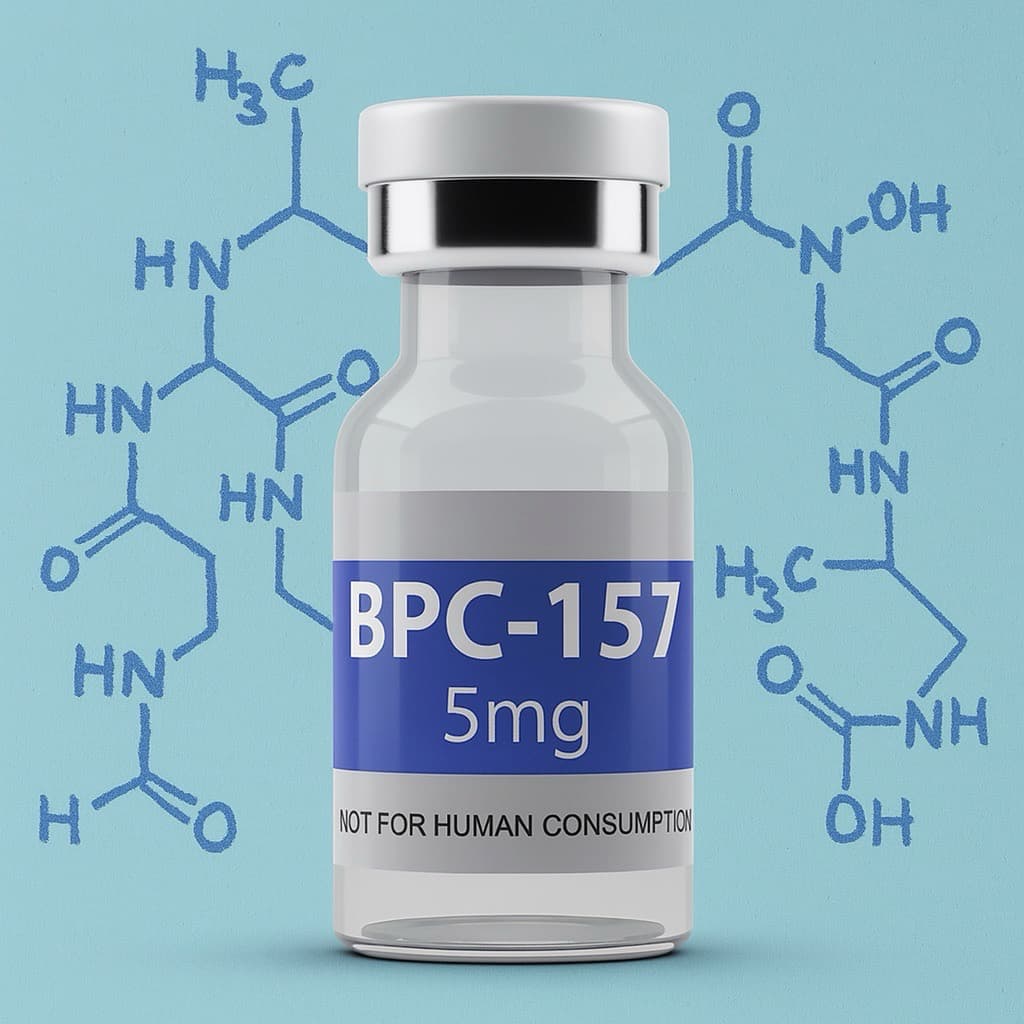
[16] BPC-157 has been the subject of research in cell culture, particularly in animals, and looks very promising not only as a therapeutic agent for wound healing or regulation of vascular growth, but also as a tool to examine these processes in detail
This practice ensures your safety by preventing direct contact with the peptide and maintaining a sterile environment, which is paramount for the integrity of your research materials
FDA labeling via DailyMed (NIH / NLM)Defines bacteriostatic water as sterile water with 0.9% benzyl alcohol added as a bacteriostatic preservative, supplied in a multiple-dose container for diluting or dissolving drugs